


Begin Your Journey to SEE YOUR BEST

Wellness Vision
Taking care of your eye health and wellness is key to preventing vision problems before they start.

Medical Eye Care
Our team at 4Sight iCare provides a variety of medical eye care services to address your vision conditions and concerns.

Ocular Nutrition
At 4Sight iCare, we offer services and supplements to keep your eye health in top shape.

Vision Training
Beyond vision correction comes balance, coordination, and utility to perform at the activity for which you use your eyes the most!

Eye Doctor Plainfield IL
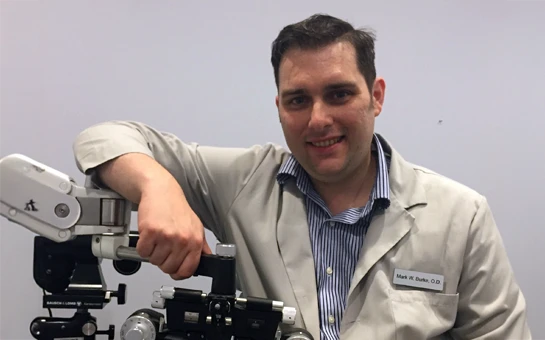
Welcome to 4Sight iCare, located in Plainfield IL. We offer comprehensive eye care services to enhance vision and promote eye health. Our top-rated Doctor, Mark Burke O.D., has years of experience in providing safe, effective, and personalized eye care to patients in Plainfield IL and the surrounding areas. We want to be your Plainfield IL eye doctor.
We invite you to visit our optometry office for a range of services, to achieve and maintain optimal vision and eye health.


View Accepted Insurance
Welcome To 4Sight iCare
At 4Sight iCare we help you see your best; by that we mean we help you achieve the best vision you can to enhance your quality of life by providing exceptional, personalized eye care. We are dedicated to preserving and improving vision through cutting-edge technology, compassionate service, and a commitment to lifelong eye health. Our goal is to empower every patient with the clarity and confidence they need to see the world at its best.
The Importance of Vision Care Even Without Apparent Issues
Unfortunately, the first symptom patients experience when they have blinding eye disease is typically irreversible blindness in part or all of their vision. Prevention is the best medicine and by using tools like those in the iHealth Wellness Exam we detect issues before you become symptomatic.
You may not currently experience any vision problems, but regular vision care is still essential for maintaining optimal eye health. Many serious eye conditions, such as glaucoma, diabetic retinopathy, and macular degeneration, can develop without noticeable symptoms in their early stages. Regular eye exams can detect these conditions early, allowing for timely intervention and preventing potential vision loss. Additionally, eye exams can reveal signs of systemic health issues like diabetes and high blood pressure. By prioritizing routine vision care, you ensure that any underlying issues are identified and managed before they impact your vision and overall health.

4Sight’s Eye Care Philosophy
At 4Sight iCare Dr. Mark W. Burke, our clinical director and founder, has been continuously developing the iHealth Wellness Exam: a set of tests that grows with you through every stage of life. Every doctor’s office has a standard of care based on state law, contractual obligation, and the level of care prioritized by the clinical director. We have high standards in part because we specialize in all ways to help you SEE YOUR BEST: from wellness vision care to medical eye care, ocular nutrition, and vision training/therapy.
Advanced technology amplifies your eye doctor’s examination. It’s about prevention and/or early detection of extremely common or debilitating conditions at the appropriate stage of life: 1) early childhood, 2) adolescence, 3) young adulthood, and 4) fully-grown adults. All 4 stages have different factors (clinical and practical) that influence your eye health and vision needs. At your annual eye exam the doctor creates/refines a plan to maintain your eye health and optimize your sight to achieve and maintain healthy, clear, comfortable, balanced vision for life.
Stage 1) early childhood from age 6 months to 4 years
Your local, Plainfield, Illinois optometrist checks the foundations for good eye health, alignment, and development toward normal 20/20 vision. Infants and toddlers may require non-verbal testing like the Welch Allyn Spot Camera and/or Lea Grading Paddles.
Stage 2) Adolescence
At age 4 retinal evaluations include imaging the back of the eye and eyeball length is measured to track progression and determine Myopia Management (Control) candidacy. Eye movement & reading speed analysis plus detailed eye alignment testing in a VR headset are added at ages 6 and 9, respectively. Identifying patients that benefit from vision training at annual wellness exams prevents extreme symptoms and problems.
Stage 3) Young Adults (teens to early 20’s)
Starting a little over a year before kids become drivers, visual demands require High Definition (HD) quality lens material in glasses and Contrast/Glare testing along with ocular nutrition to enhance nighttime vision. OCT (Ocular Coherence Tomography) is the first step in maintaining a healthy macula, so OCT is performed on 14 and up; OCT imaging continues to rule out conditions best assessed from this “side” view of the light-sensitive tissue. Corneal topography is also performed at nearly every stage of life because it assists in vision correction, but it’s especially important to teenagers and twenty-somethings as these are the peak years of onset for Keratoconus (a progressive corneal disease).
As you mature into adulthood, age-related dysfunction can occur within your eyelid glands. MGD (Meibomian Gland Dysfunction) is the number one root cause of Dry Eye Disease. By your early twenties, routine eyelid hygiene to prevent dry eye disease is as important as oral hygiene to prevent cavities. At age 24 the measurements tracking eyeball elongation and eye movements used in reading are no longer collected because you’re done growing; instead images of the eyelid glands with an infrared camera detect the presence and severity of MGD.
Stage 4) Fully-Grown Adults
As a fully mature adult your elevated risk of developing a blinding eye disease makes a visual field screening in the VR headset prudent for all ages 34 and up. Patients over 44 are prescribed a consultation to educate them on the importance of ocular nutrition as it relates to preventing vision loss from AMD (Age-related Macular Degeneration). Early detection and vision loss prevention empowers you to take steps using medical insurance when medical eye care intervention is necessary.
The wellness actions taken by your younger self will always be appreciated by your future self!
Some Key Regions Of The Eye
The human eye is a marvel of biology, composed of several intricate regions that work together to capture and process visual information. Understanding these key areas is essential to appreciating how vision works and recognizing potential issues affecting eye health.

Cornea: Transparent dome, covers iris and pupil, focuses light, protects the eye, key to vision.
LensLens: Transparent, focuses light, adjusts for distance, essential for clear vision.
ScleraSclera: The white outer layer, protects the eye, maintains shape, and supports internal structures.
PupilPupil: Central opening, regulates light entry, adjusts size, vital for vision clarity.
RetinaRetina: Light-sensitive layer, that converts light to signals, enables vision, and connects to optic nerve.
Vitreous BodyVitreous Body: Clear gel, fills the eye, maintains shape, supports retina, transmits light.
Optic NerveOptic Nerve: Transmits visual signals, connects the eye to the brain, essential for sight.
Optic DiscOptic Disc: The blind spot, where the optic nerve exits, lacks photoreceptors, crucial for signal transmission.
What Kind of Training Does an Optometrist Have?
Optometrists undergo extensive training to become experts in eye health and vision care. Their education begins with a bachelor's degree, typically in a science-related field, followed by enrollment in a four-year optometry program at an accredited optometry school. During these four years, optometry students study various subjects, including optics, visual science, anatomy, physiology, and pathology of the eye. They also receive hands-on clinical training, where they learn to diagnose and manage a wide range of eye conditions, prescribe corrective lenses, and provide vision therapy.
In addition to their formal education, optometrists must pass a series of rigorous exams to obtain their license to practice. This includes the National Board of Examiners in Optometry (NBEO) exams, which test their knowledge and clinical skills. Some optometrists choose to further specialize in areas such as pediatric optometry, geriatric optometry, or ocular disease through residency programs, which provide an additional one to two years of focused training. Continuous education is a crucial part of their career, as they must stay updated with the latest advancements in eye care and treatment techniques to provide the best possible care for their patients.
Affiliations






Begin Your Journey to Health in 3 Easy Steps